
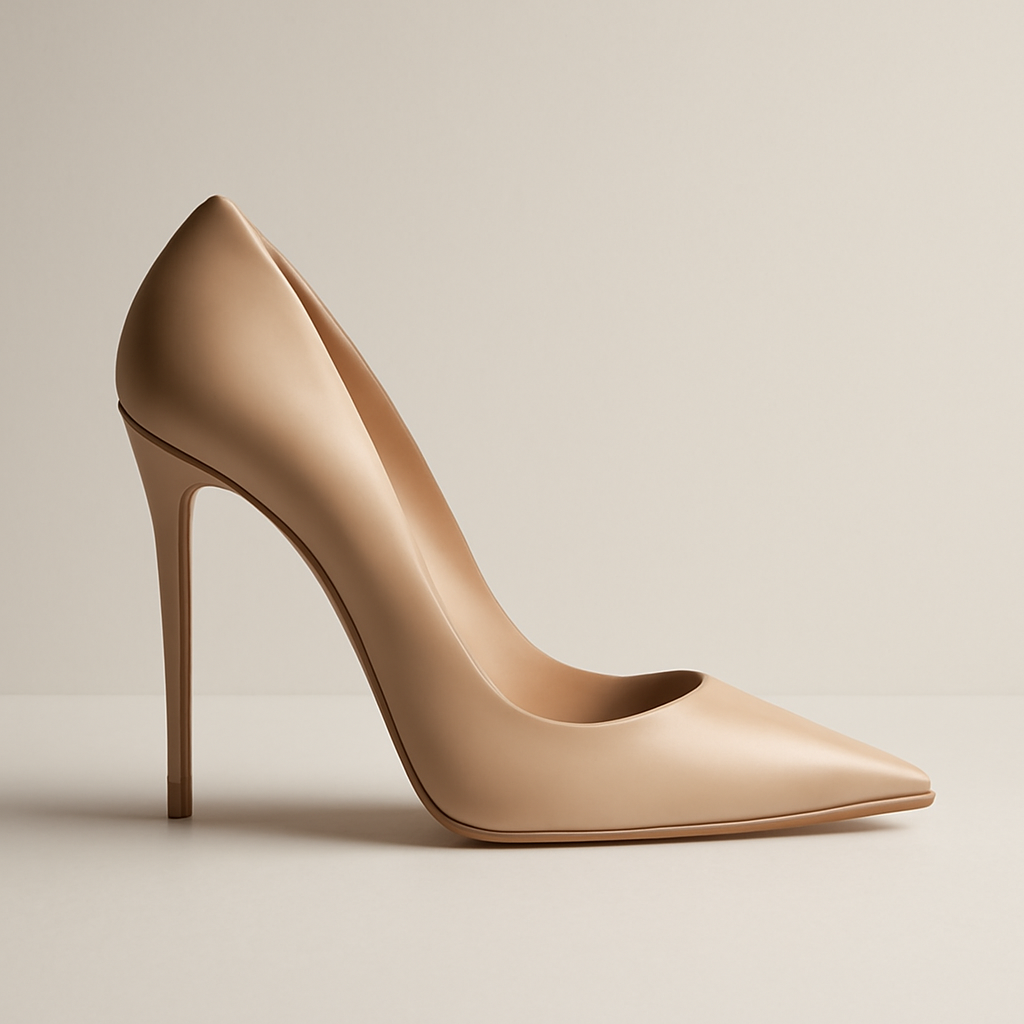
A Gianvito Rossi heel does not announce itself as an heirloom. It's usually just a stiletto — one long, unbroken line from the ball of the foot to a point of contact narrow enough to look improbable, no ornament, no house monogram, nothing about it insisting on where it came from. Pick one up and the weight is almost all in the arch, the heel itself so slender it seems to exist more as a suggestion than a support. That has always been part of the appeal. The shoe reads as a decision made fresh, by one person, alone in a room, in the present tense — not as the latest entry in a ledger someone else started.
The photographs in a new book from Rizzoli complicate that impression, gently, without correcting it outright. Titled Gianvito Rossi. My Shoes, timed to the twenty-year anniversary of his label this month and presented to guests alongside his spring 2027 collection at Milan Fashion Week, the book retraces the arc of Rossi's own work — season folded against season, one shape's slow correction into the next — the way a person might finally lay out, in a single room, every version of an idea they've spent two decades refining. Guests were invited to page through it before the show began, ahead of seeing where the line had arrived this season. It is less an unveiling than an accounting.
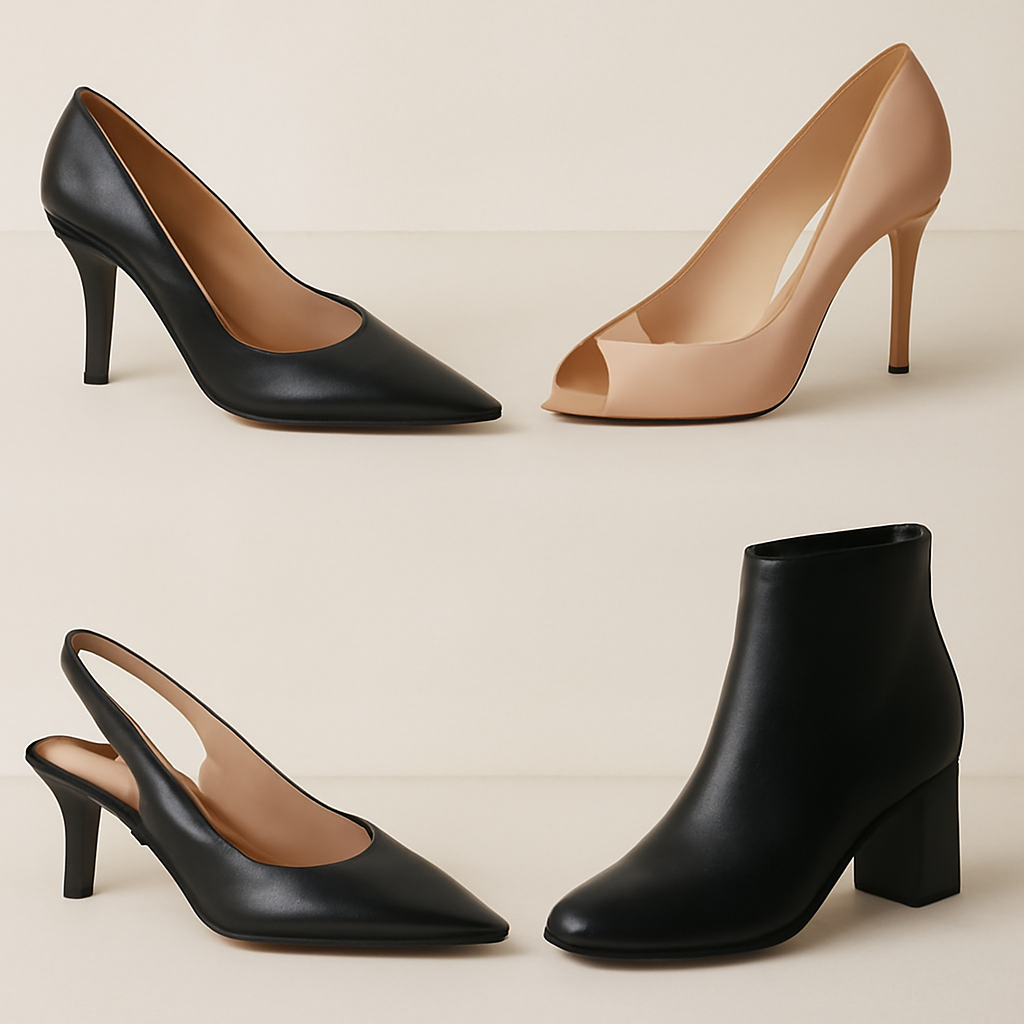
What the book doesn't need to spell out, because the trade press has never let it go unmentioned, is that Rossi did not arrive at shoemaking as a stranger to it, and neither, for that matter, did his father. Sergio Rossi opened his first shoe shop in 1951) in San Mauro Pascoli, a small town on Italy's Adriatic coast, selling sandals to beachgoers in nearby Rimini — trade he'd learned, in turn, from his own father, a shoemaker in the same town. It took him until 1968 to put his own name on a shoe, though the work had already found an audience without one: in 1960, Federico Fellini put a pair of his sandals on Anita Ekberg for La Dolce Vita, eight years before there was a label to credit. Gianvito grew up inside the business that resulted, and launched his own label in 2006 only after years spent learning the trade from his father directly — a departure that has generally been described less as rebellion than as a third edition of a story the family had already been telling for two generations, a young man leaving the workshop not to escape shoemaking but to find out what it looked like when the choices were entirely his own to make and unmake.
It's a shape familiar past the shoe trade. The vintner's son who spends a decade in another city before returning to the same hillside. The cabinetmaker's daughter who trains as an architect and ends up building furniture instead of buildings, using drafting skills nobody made her learn twice. The tailor's boy who swears he'll never touch a needle, then spends his thirties cutting patterns for someone else's house because the hand already knew how. The break rarely holds all the way through. What looks like a departure from the inside usually turns out, from a small distance, to be the same training, practiced at a different address, under a name that finally belongs to the person using it.
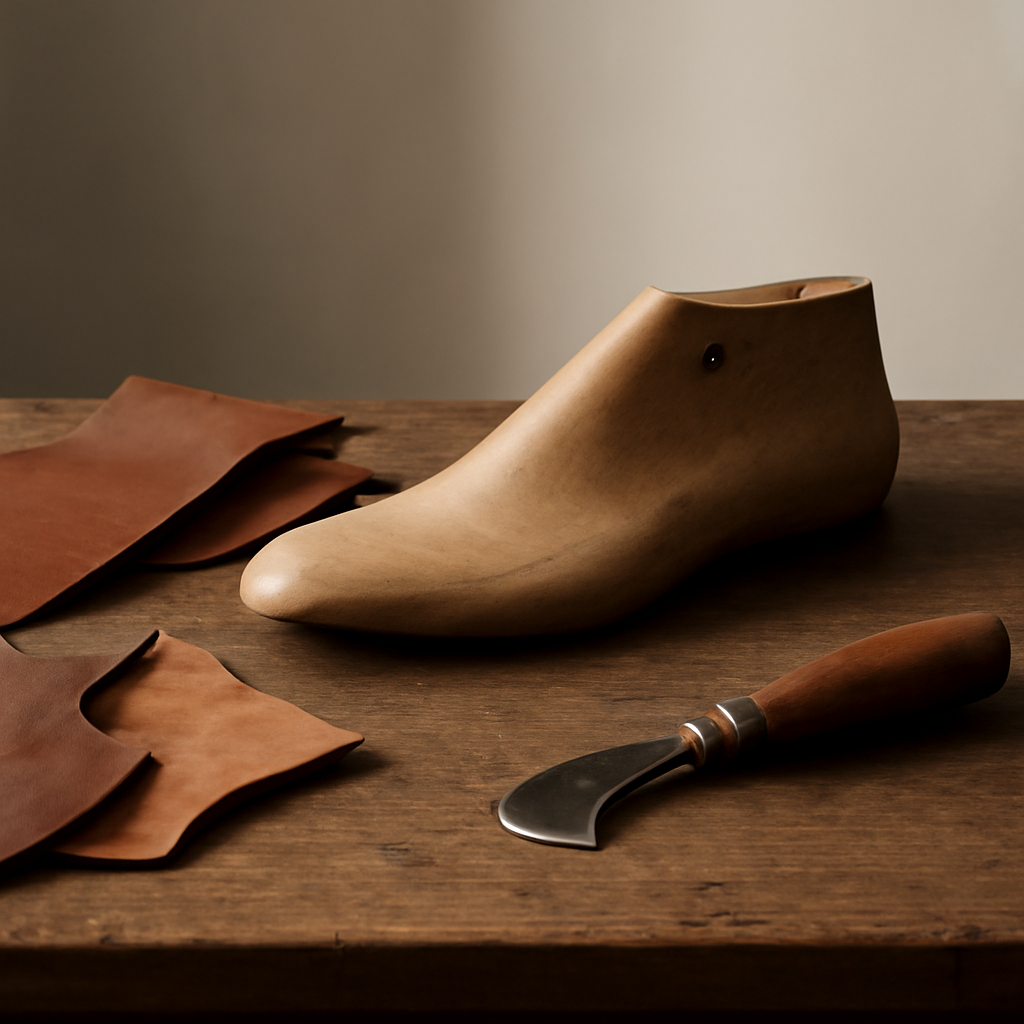
Twenty years is long enough that the two stories — the son's and the father's, and by extension the grandfather's — have mostly stopped needing to be told separately. The label has grown, in that time, from an Italian footwear line into a house that shows up on red carpets and in editorial pages on its own recognition, its shoes known for elongated lines and sculptural heels rather than for whose name trained whose hands. Rossi has described the ambition behind that work plainly enough: luxury that can be powerful without being loud, sensual without being excessive, modern without abandoning craftsmanship. It's a fine description of a shoe. It happens, too, to describe an inheritance that was kept rather than announced, refined rather than simply repeated.
Flip far enough into the early pages of My Shoes and the first designs start to look less like a debut than a transcript — a son writing down, in leather instead of longhand, something he'd already learned to say before he had a name of his own to say it under. The heel in front of him now is still just a heel. It has simply had twenty years to stop pretending it came from nowhere.



