
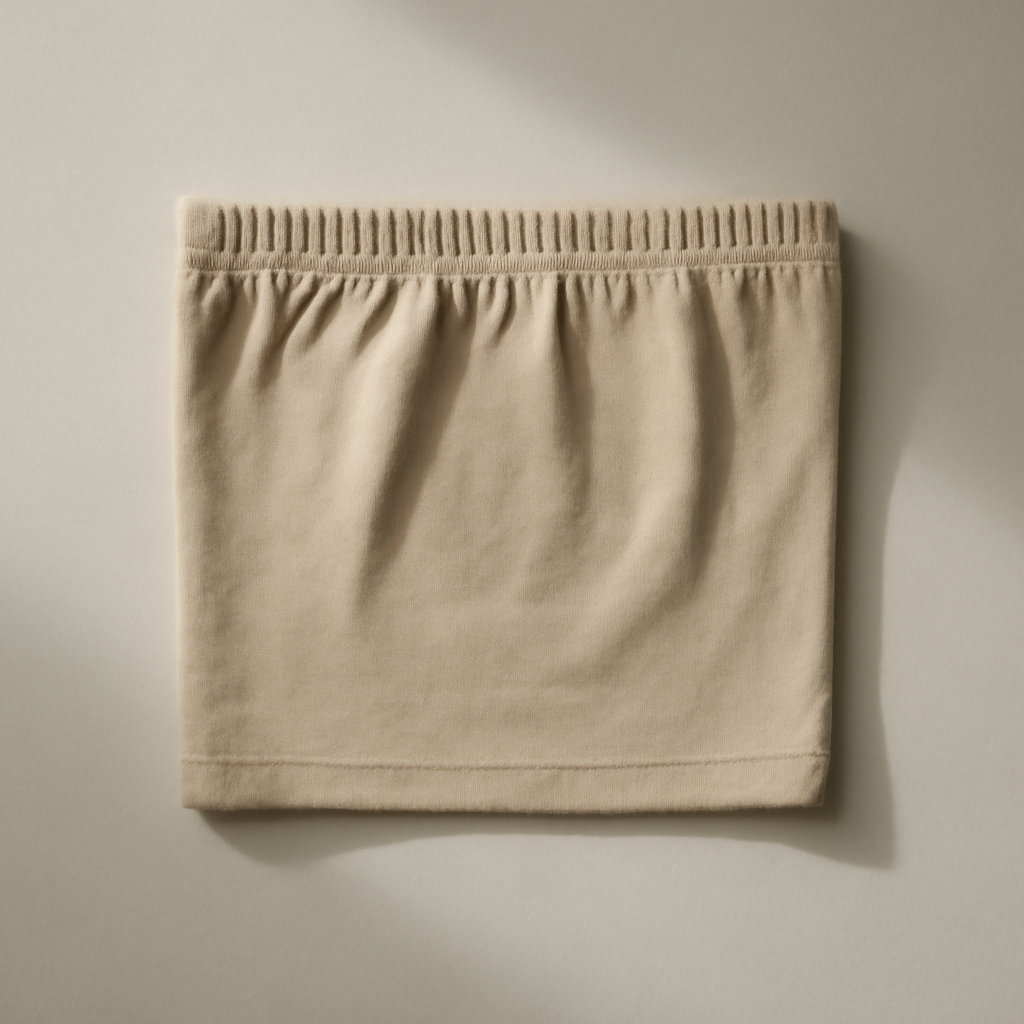
The tube top has no closures. No zipper, no button, no hook-and-eye — only a loop of elasticated jersey, held up by tension rather than construction. It is close to the least a garment can be and still qualify as one: no collar to set, no sleeve to draft, barely a pattern at all. In 1973, lengths of that jersey turned up in a New York garment-district factory as the top half of a two-piece bathing suit, sold in pairs nobody actually wanted whole — customers kept buying the bottoms and leaving the tops behind on the rack.
A stock boy named Elie Tahari noticed the surplus piling up and bought a batch outright, carrying them to the small Greenwich Village boutique where he'd landed his first real job in the trade. Women bought them on sight, without the bottoms, wearing them as their own kind of shirt. He hadn't styled anything. He'd cleared a shelf.
Tahari had reason to notice value in a scrap other people threw away. Born in Jerusalem in 1952 to a family that split apart early, he spent much of his childhood in an Israeli orphanage, teased, by his own account, for clothes that were "dirty and wrinkled." He left for New York in 1971 with less than a hundred dollars, having altered his brother's discounted El Al ticket by hand — the initial changed from A. to E. — to get himself on the plane at all. The first weeks were a YMCA room, then a gym locker for his belongings, then a park bench. His first paid work was washing cars for fifty cents an hour.
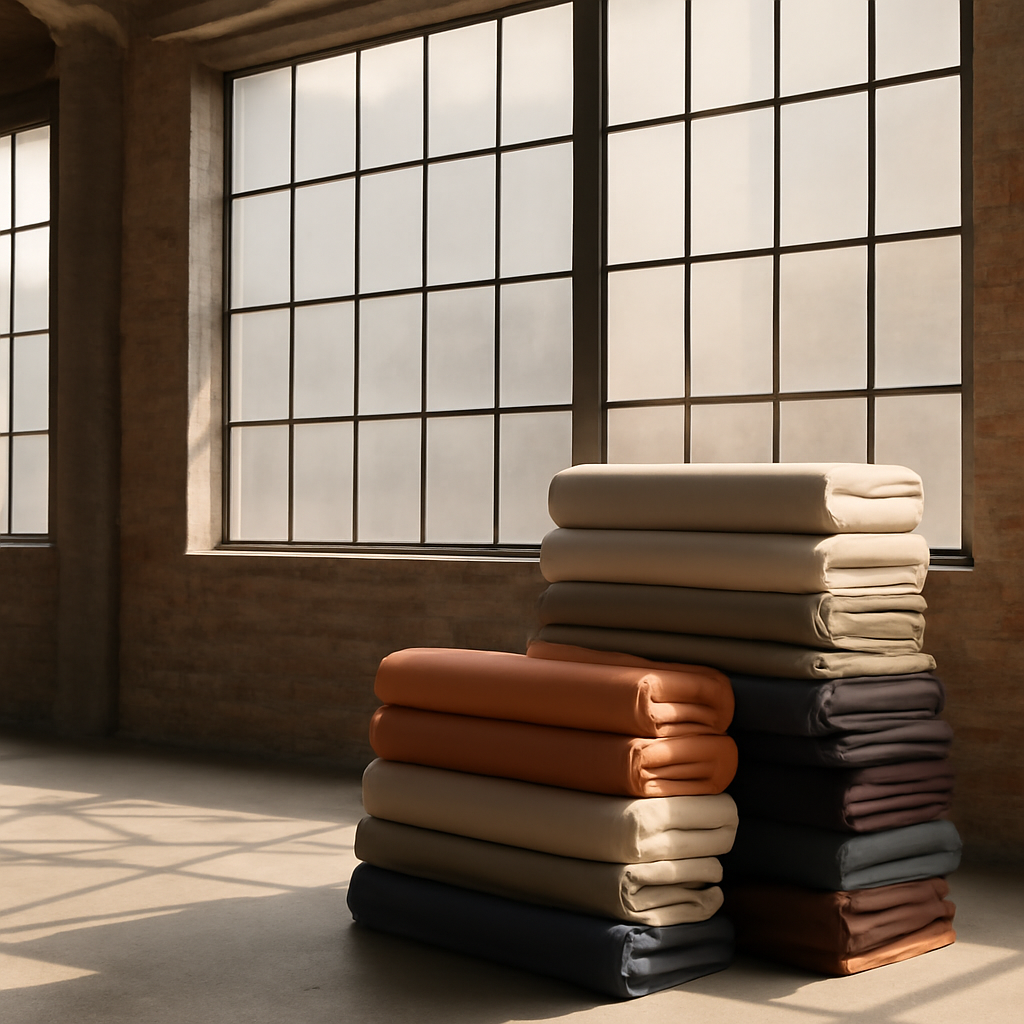
The electrician's skills he'd picked up during his Israeli military service got him hired as a repairman around the district, which is how he ended up on a ladder one afternoon, changing a lightbulb above a showroom floor, watching the buyers below decide what New York would wear that season. When he later tried to sell his own tube tops at a trade show, every booth was already taken. He set up in the hallway instead, and when security moved him along, he moved — floor to floor, hallway to hallway — until he walked out with orders for a quarter of a million pieces. "I had nothing to lose," he said of that week, "so I tried everything."
The label he opened in 1974 grew the way the hallway had: sideways, into whatever space was available. He co-founded Theory two decades later with Andrew Rosen, building it into a stretch-fabric sportswear label that sold for a hundred million dollars within six years. His own house crossed a billion dollars in sales by 2019, still bearing his name, still run with his son now at the design table. It is one of a small handful of designer labels still led, after fifty years, by the person who started it in a room with nothing in it.
The tube top itself never needed updating. It is still, essentially, a tube: no closures, no waste, nothing on it that wasn't already doing something. The fabric was the whole idea, and it still is.



