
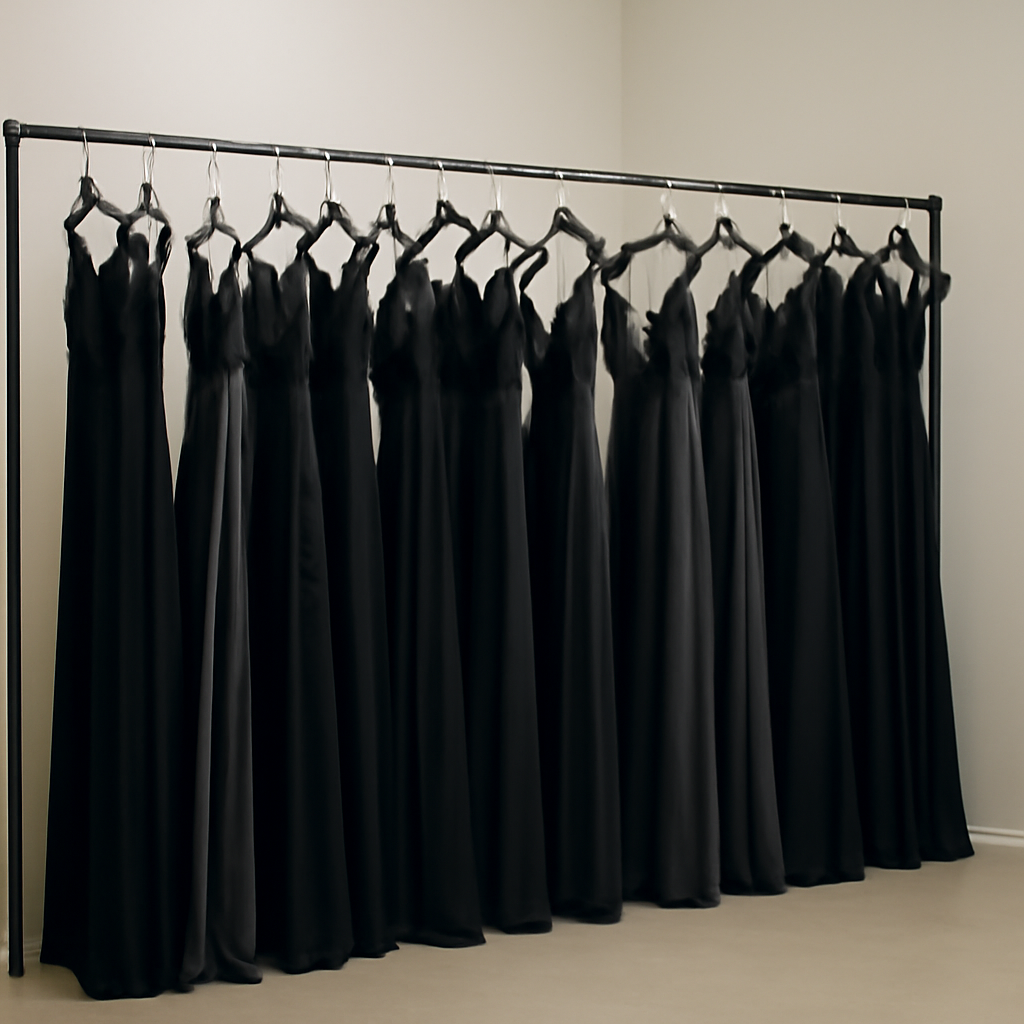
In a Christie's saleroom in New York, in June of 1997, seventy-nine dresses hung on a single long rail, numbered and tagged like anything else being sold that week. Some had sequins. Some were plain wool crepe, built for daytime, made to disappear inside a receiving line. A few had done the specific, unglamorous work of surviving a decade of flashbulbs without a hem coming loose. They had been worn to state dinners, to hospital wards, to a gallery opening on the one evening a television broadcast elsewhere was doing more damage to a marriage than any dress could undo. Buyers moved down the rail the way buyers move down any rail — checking seams, asking about condition, mostly indifferent to the woman who had once been inside them. The sale benefited AIDS and cancer charities, Princess Diana's own choice of cause, made two months before she died in a car in Paris at thirty-six.
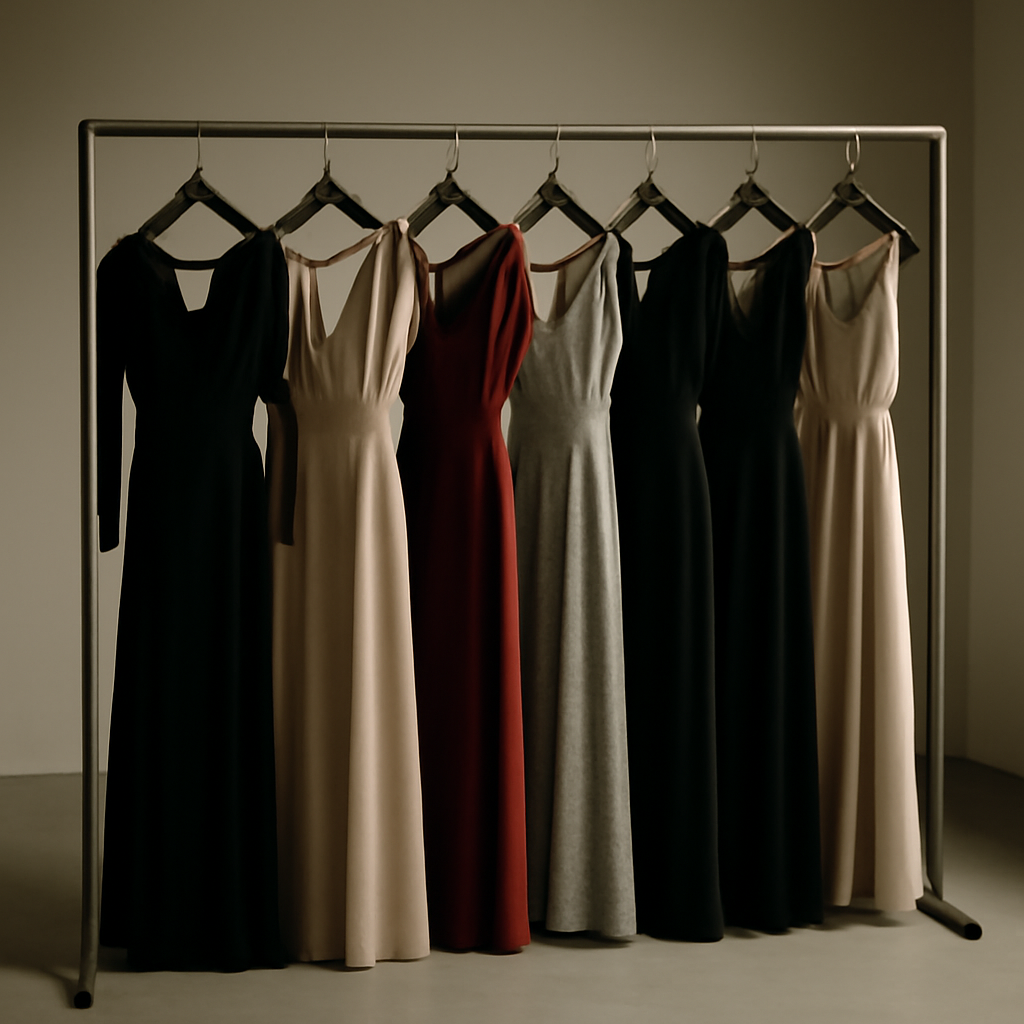
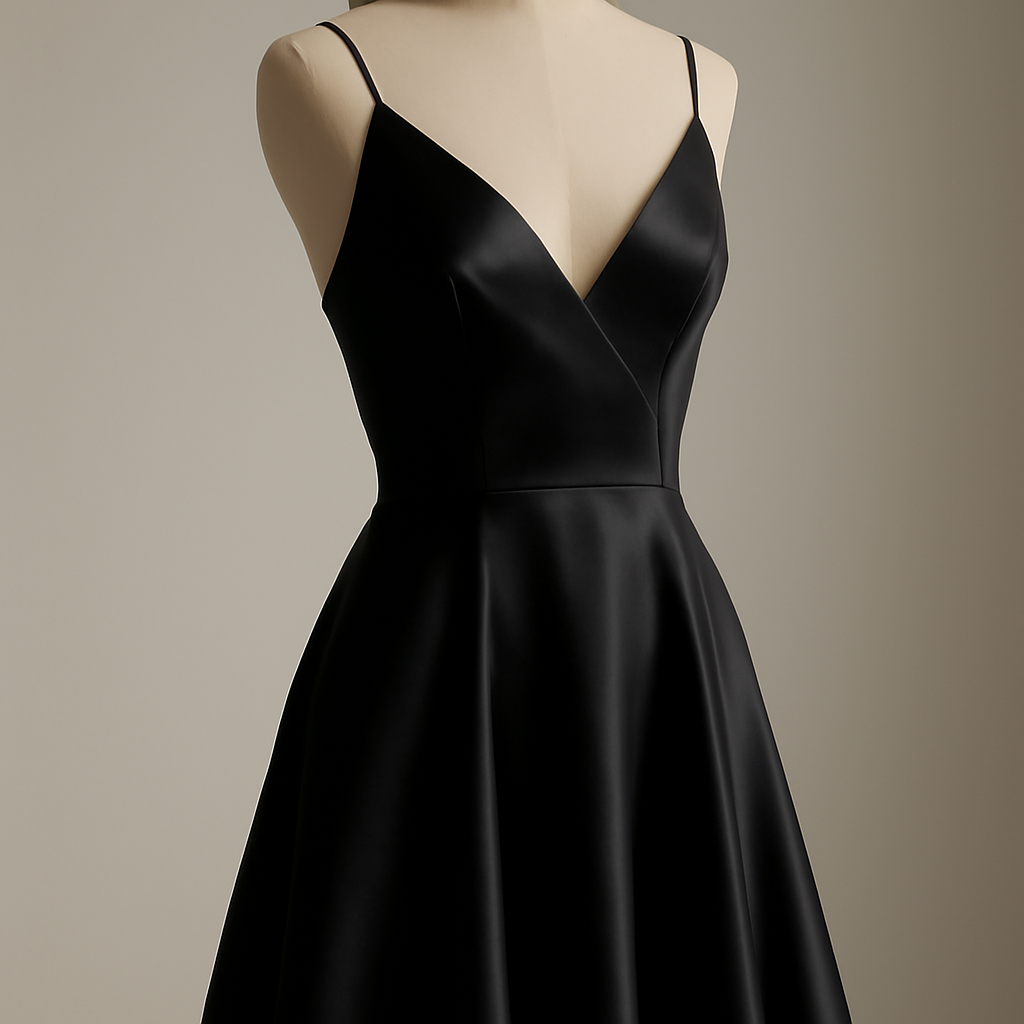
One dress on that rail carried an older story than the others, and it was hanging only a few lots down from where a cataloguer had started counting. Three years before she ever wore it in public, Diana had owned a black silk cocktail dress by the designer Christina Stambolian and decided, each time an occasion offered it, that it was too daring. In June of 1994, with two days' notice, she wore it anyway — to a dinner at the Serpentine Gallery, on the same evening a broadcast aired in which her husband admitted, on camera, that the marriage had failed. She had not chosen the date. She had chosen, at the last possible minute, the dress. Stambolian later said she'd worn it "like Odile," the black swan of the ballet, coolly and on purpose. Within a week it was the most photographed garment of the decade. Three years after that, it went up for sale as lot two, for £39,098, to a buyer who wanted the object rather than the moment.
A dress can carry an argument no interview transcript would let a princess make out loud. That one did its work without a caption, which is presumably why it held: nobody had to explain it, and nobody was told what to think by it. It simply appeared, in the correct place, on the one night an explanation would have looked like begging. Everything else she was permitted to say publicly that year went through an office, a script, an approved photographer. The dress went through nothing. It was three years old, already paid for, already hers — the one part of the evening that required no one's permission to arrive.
Further down the same rail hung an aubergine silk velvet gown by Victor Edelstein, cut with a sweetheart neckline and a tulip-shaped skirt, first worn for an official portrait in 1991 and worn once more, in 1997, for a Vanity Fair sitting photographed by Mario Testino. The magazine ran it as "a powerful symbol of her changing life" after the divorce — a caption written months before anyone knew how much more the life was about to change, and how soon. It sold that June day for twenty-four thousand dollars — a modest price, dress by dress, for a woman auctioning off her own most-photographed decade. In 2023, the same gown resold at Sotheby's for over six hundred thousand dollars, more than five times its estimate, to a buyer who wasn't in the room in 1997 and has, presumably, never worn it. The dress outlived the auction that first let it go, and outlived the year everyone assumed would be the last thing anyone remembered about it.
The designer Catherine Walker, whose gowns filled several more lots on that same rail, said afterward that she was glad her work could be "used to save lives" a second time, once as clothing and once as a price at auction. It is a practical way to describe what was, underneath the practicality, a woman closing an account — not quietly disappearing from view, which her position never allowed, but handing over the physical record of it, piece by numbered piece, to whoever wanted to keep a part of it going.
The rail in that Christie's room in June didn't know what August would do to the value of everything hanging on it — sentimental, then historical, then, eventually, worth more than anyone in the room that day could have priced it at. Somewhere in a private collection now, unworn, is a dress that once had to be chosen with two days' notice and has not had to answer to anyone since. She wasn't clearing out a closet. She was, without knowing the date on the calendar that would make it true, finishing one.



