
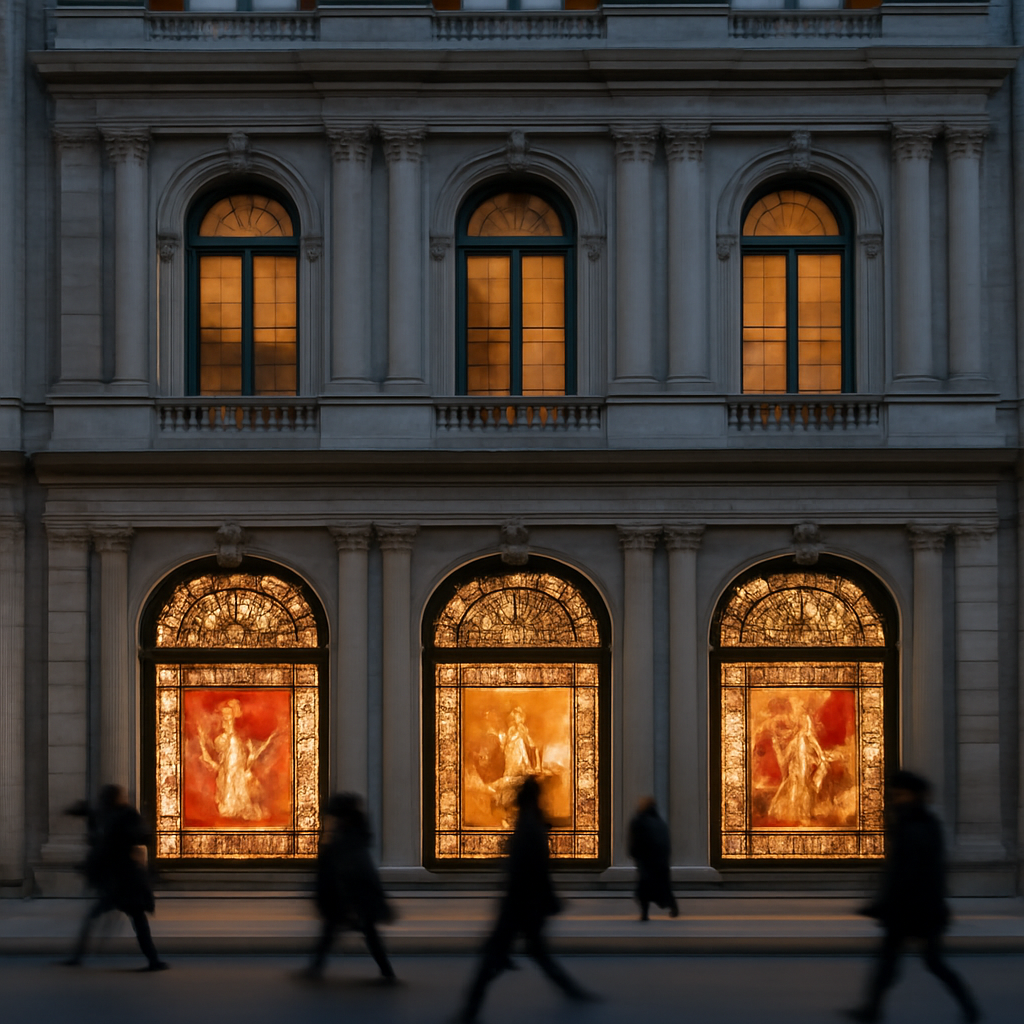
In 1899, above Union Square, a tailor named Herman Bergdorf opened a small shop that did nothing more ambitious than mend and cut cloth for whoever walked in. He had come from Alsace, on the disputed border between France and Germany, to a city with no shortage of tailors, and there is no record he expected the shop to become anything other than a living. A young apprentice named Edwin Goodman, who had arrived from Lockport, in upstate New York, joined him not long after, bought his way into a partnership by 1901, and within two years had bought Bergdorf out entirely — keeping only his name on the door, which looks, in hindsight, less like sentiment than good business sense.
Goodman was the one with the larger idea. By 1914 he had done something almost nobody in American retail had tried: he sold ready-to-wear alongside couture, on the theory that a woman shouldn't have to wait weeks for a fitting to look finished. The store grew through the years that should have ended it — through the Depression, when Goodman bought up the surrounding properties instead of retreating from them, confident enough in the theory to bet the whole block on it. In 1928 he moved the operation to Fifth Avenue and Fifty-Eighth Street, onto the exact footprint where Cornelius Vanderbilt II's mansion had stood until the family gave up maintaining it — seventy rooms built to announce one family's permanence, cleared away for a building that would spend the next century dressing thousands of families who had no claim to that permanence at all. Goodman wasn't even sure the address would hold; he designed the new building so it could be subdivided and let off in pieces if uptown didn't take to it. Uptown took to it.
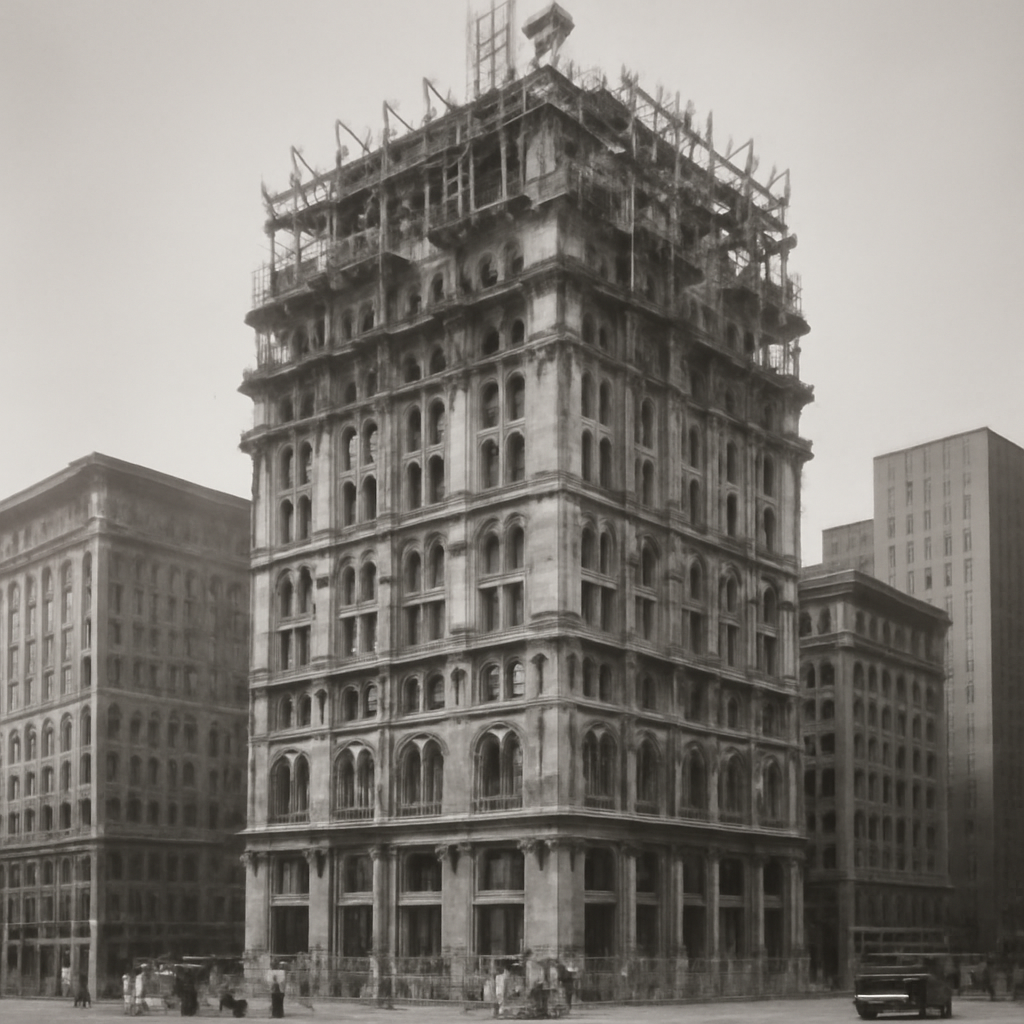
The building has been photographed more than almost any retail façade in the country, largely because its Fifth Avenue windows turned a display case into a seasonal ritual decades before that was a marketing strategy with a name, and because a television character shopped there so faithfully that the show and the store became, for a certain kind of viewer, functionally interchangeable. Carrie Bradshaw's devotion to the store in Sex and the City turned a real address into a kind of promise: that the right dress, bought in the right building, could stand in for a life not yet fully assembled. That promise long predates the show. It's the same one Goodman was selling in 1914 to a woman who wanted to look finished without the wait, and it's the same one being sold this fall for the store's hundred-and-twenty-fifth year, now spread across more than a hundred brand partnerships and upward of eight hundred exclusive styles.
Every December, the crowd on the sidewalk outside gets thick enough to need a rope line, adults and children pressed toward glass boxes built around a single small scene apiece — a diorama, most years, of some version of Manhattan that no longer quite exists anywhere but in the window. Nobody standing there is shopping. The looking is the whole transaction, and the store has never seemed bothered by that; a window that makes a stranger stop on a cold sidewalk is doing something a sale on its own can't do, which is convince a person who wasn't going to buy anything that the building still belongs to them a little, too.
What outlasts any single collaboration, though, is the habit the building has trained into people who don't even shop there regularly: that certain purchases deserve a specific address, the way certain occasions still call for a specific room rather than any room that happens to be free. A coat bought for a parent's retirement dinner. A first serious handbag, saved for over months and collected in person rather than shipped, so the moment of paying for it counts as part of the occasion. A daughter brought along at fourteen mostly to be shown the building itself, on the theory that she should know it exists before she has any real reason to need it. None of this is written down anywhere in the store's own history — it's not the kind of thing a business keeps records of — but the building doesn't need the records. It has absorbed the shape of the habit itself simply by being there for it, over and over, longer than any of the people forming the habit have been alive, and it will go on absorbing it long after this particular anniversary campaign has been packed away and replaced by the next one.
There's a version of this anniversary that could be told purely as a business story — the ready-to-wear bet that paid off, the Depression-era real estate nerve, the hundred-partner campaign marking the milestone. All of it is true, and none of it explains why a person standing at the Fifty-Eighth Street entrance today, holding a bag with that name on it, still feels the specific, slightly out-of-proportion satisfaction that a $40 tie from a downtown shop would not produce. The satisfaction isn't really about the merchandise. It's about the building agreeing, silently and for a moment, that the purchase mattered enough to happen there.
Herman Bergdorf's original shop above Union Square is gone without a trace. The mansion it eventually displaced is gone too, its seventy rooms surviving now only in photographs of a family that no longer needed to prove anything to anyone. What's left is the corner itself, and the same revolving door, turning for whoever walks up to it next.



