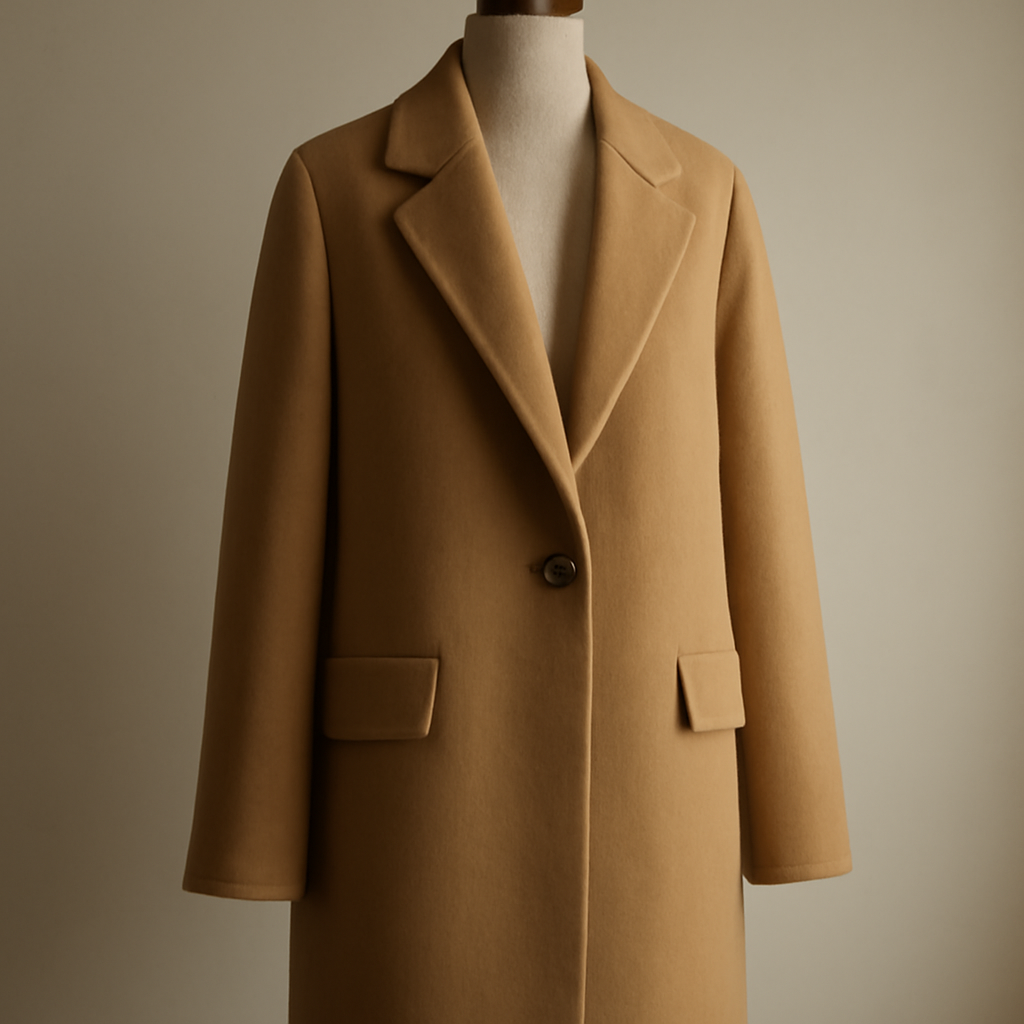
Before Chloé had a name, its founder had already decided fashion should be worn, not admired.
Mida Editorial
Before Chloé existed as a name, its founder had already decided what fashion was for — not display, but wear. The color she built the house around came from somewhere else entirely.
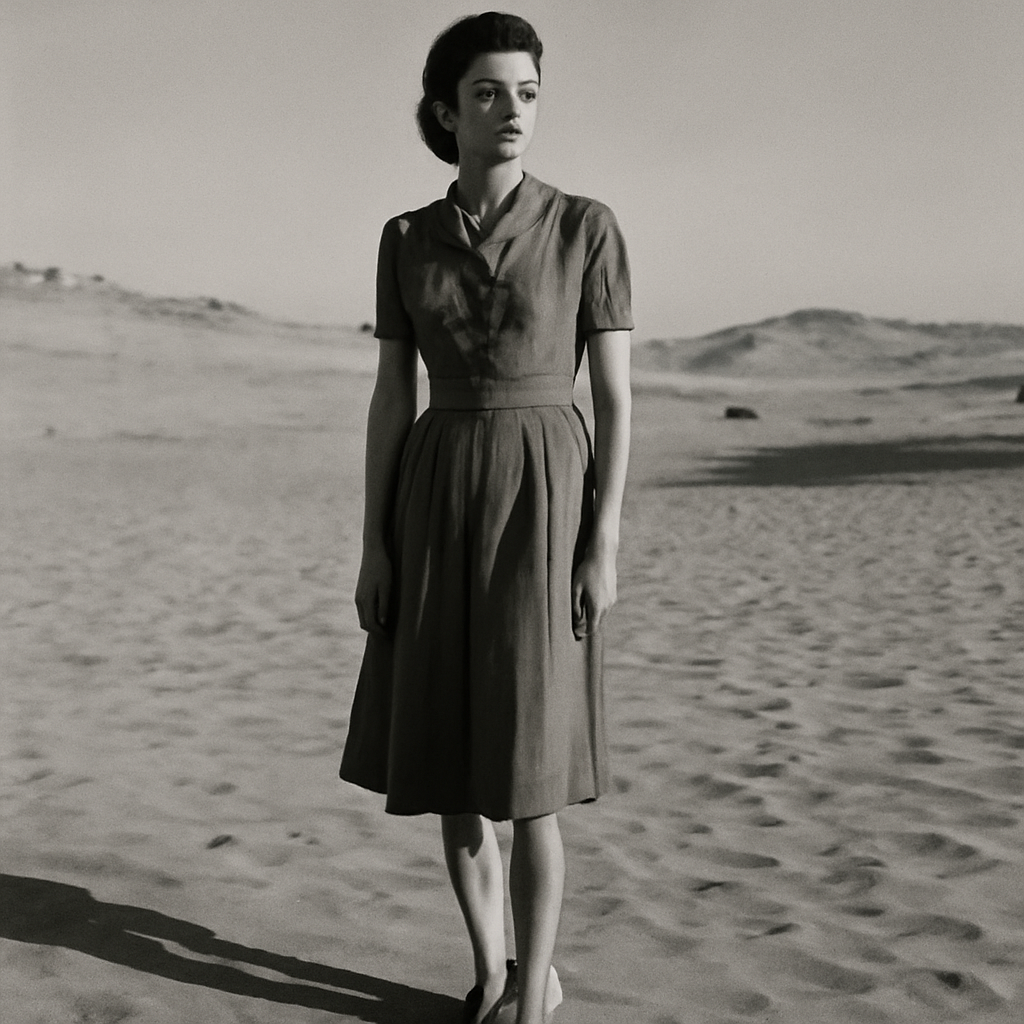
[Gaby Aghion](https://www.wmagazine.com/fashion/gaby-aghion-chloe-exhibition-jewish-museum) grew up in an upper-class Jewish family in Alexandria before leaving for Paris in 1945. She never stopped designing in the colors of the desert she'd left.
Her first collection showed at the [Café de Flore in 1957](https://www.wmagazine.com/fashion/gaby-aghion-chloe-exhibition-jewish-museum), models moving between breakfast tables instead of down a formal runway — a fitting stage for a woman who thought couture had gotten "a little artificial."
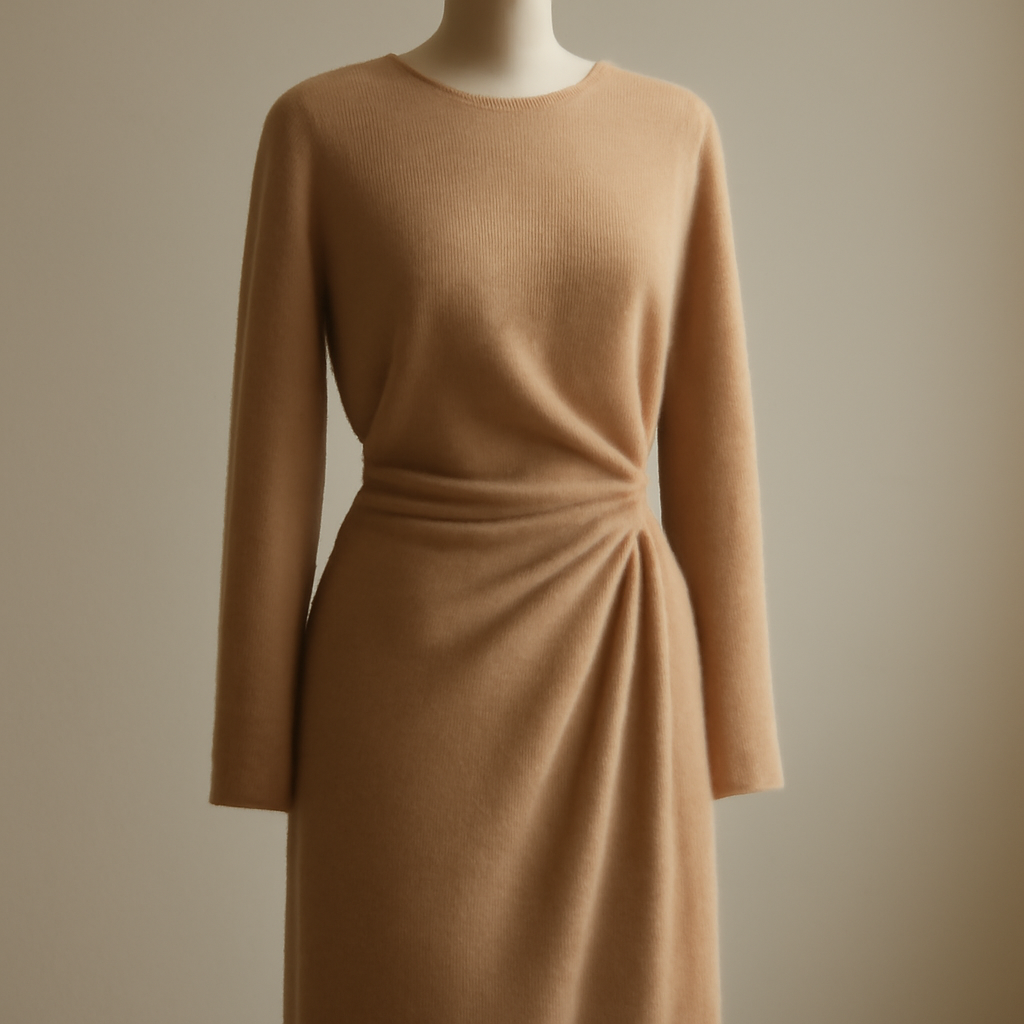
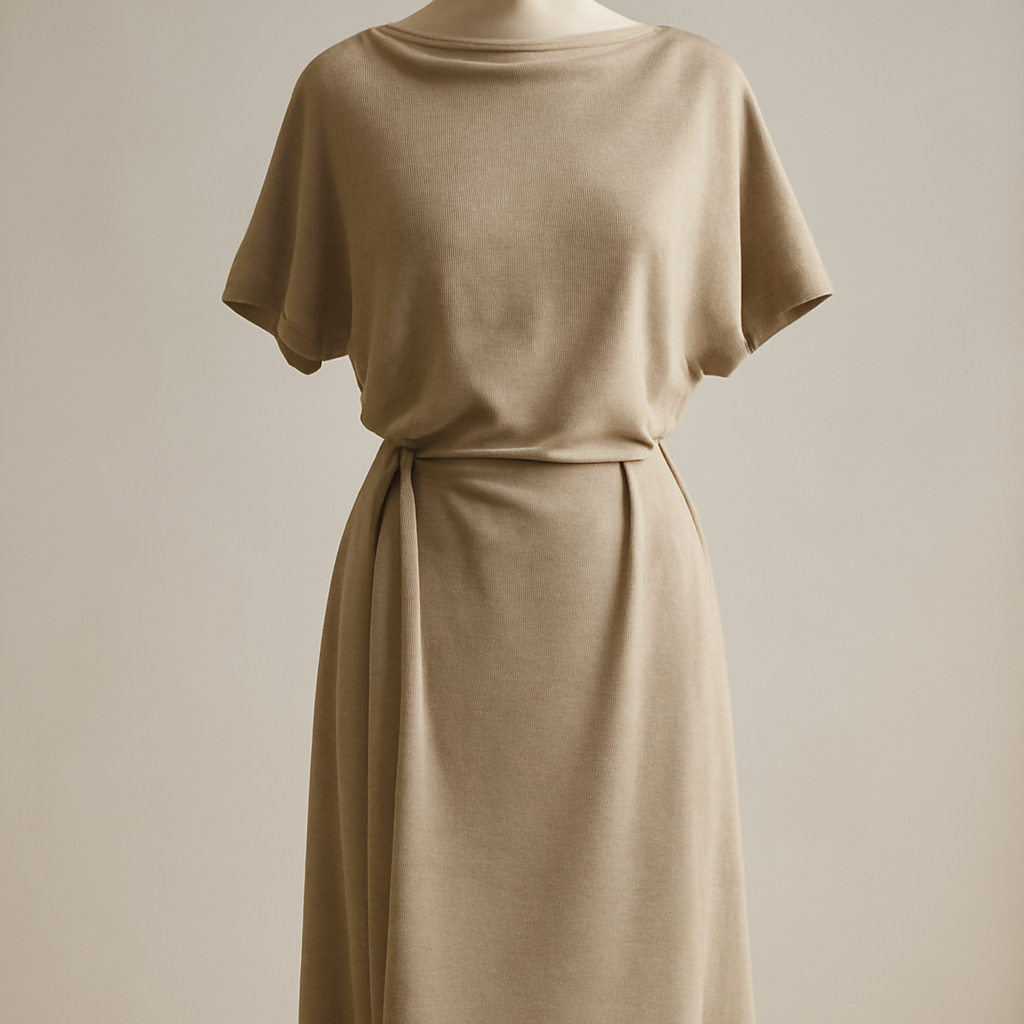
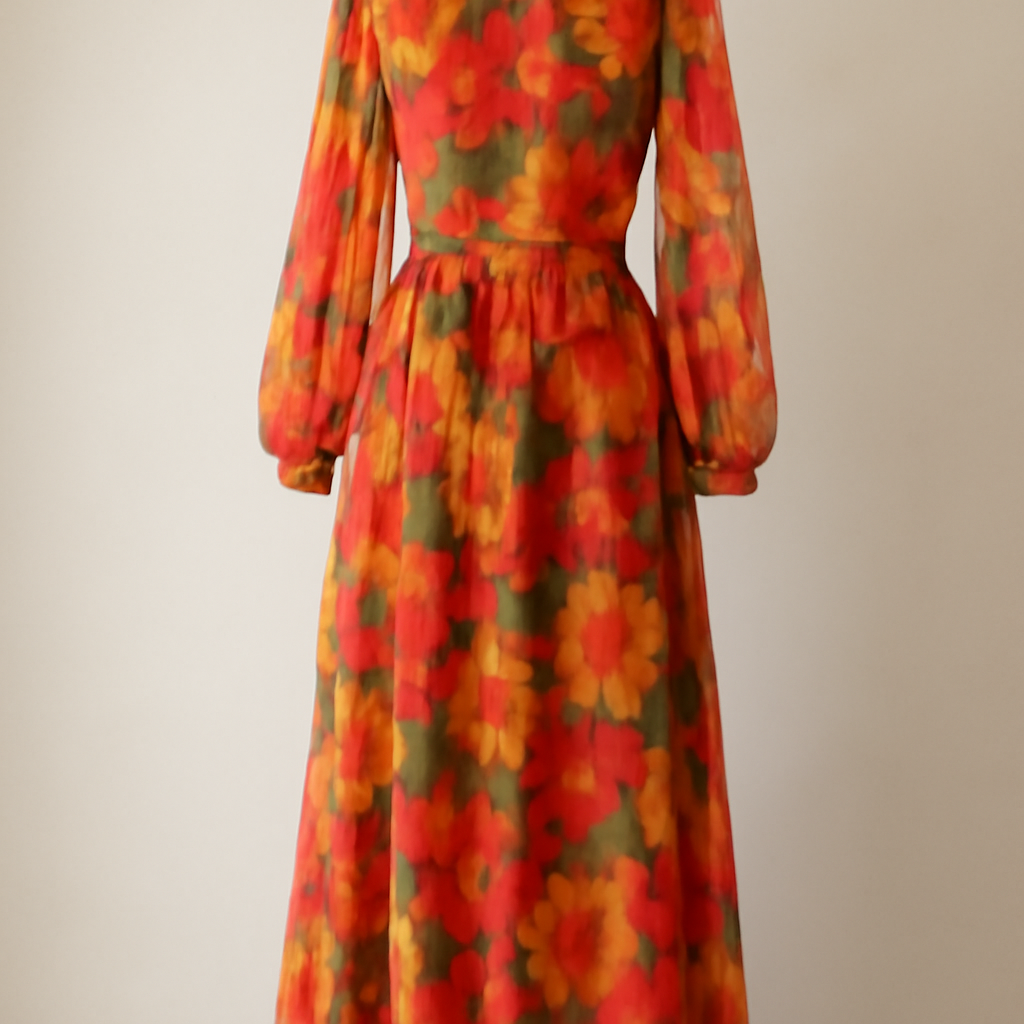
The sand-colored jersey dress became close to a signature. The warm neutrals, she said, came from the landscape of her childhood, not from Paris at all.In [1964 she hired Karl Lagerfeld](https://thejewishmuseum.org/exhibitions/mood-of-the-moment-gaby-aghion-and-the-house-of-chloe/) — young, unproven, [born in Hamburg](https://en.wikipedia.org/wiki/Karl_Lagerfeld) — and let an émigré's eye and a newcomer's hand build the house's language together for over a decade.[Stella McCartney and Phoebe Philo](https://thejewishmuseum.org/exhibitions/mood-of-the-moment-gaby-aghion-and-the-house-of-chloe/) would later run the house Aghion started without asking couture's permission — both kept returning, whether they meant to or not, to the same sand and cream.She ran the house until her death in 2014. The last color she was still specifying for a print, near the end, was the same warm sand she'd used in 1952.