
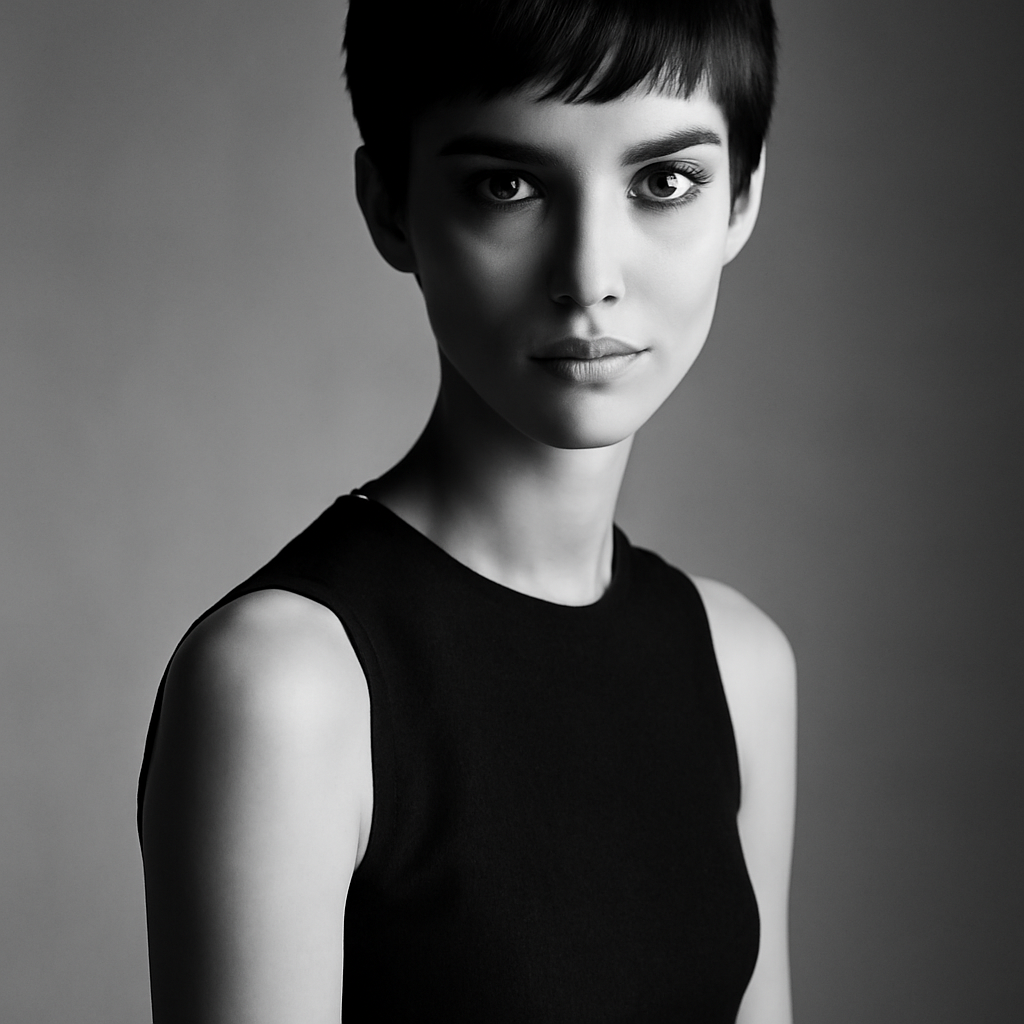
In January 1966, a sixteen-year-old girl sat in a chair at a Mayfair salon and let a stranger crop her hair short. She hadn't asked for it and didn't much want it, but she was, by her own account, too shy to object in a room that posh. The hairdresser was Leonard of Mayfair; the girl was Lesley Hornby, a carpenter's daughter from Neasden who went by nothing more remarkable than Lesley at home. The photographer Barry Lategan shot test pictures of the new haircut. Leonard hung one in his window. A fashion journalist named Deirdre McSharry saw it while getting her own hair done, arranged a shoot, and ran it in the Daily Express under a headline that did the rest of the work: "The Cockney kid with a face to launch a thousand shapes… and she's only 16." Within the year the paper had crowned her the Face of '66. She'd become Twiggy before she'd chosen much of anything about it herself.
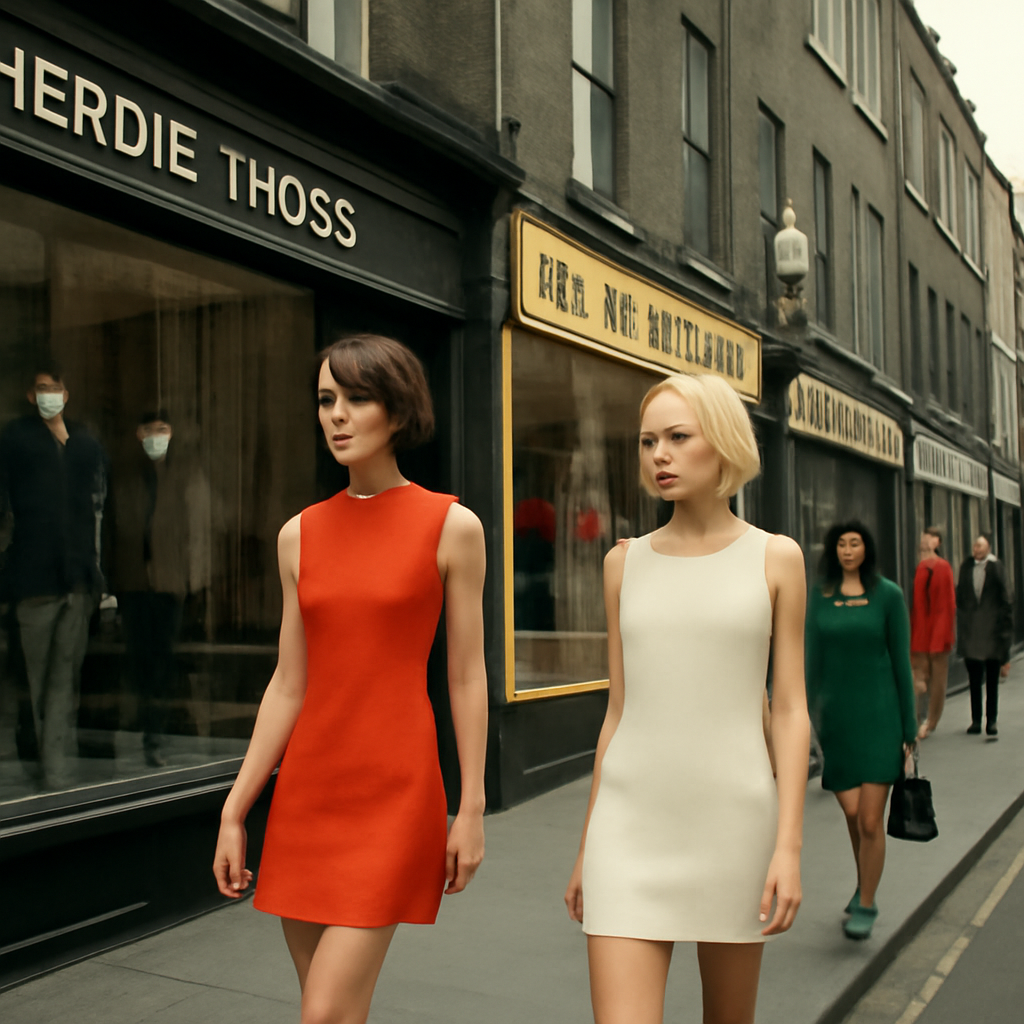
What's easy to miss, looking back at the waif in the photographs, is how little agency the image itself allowed her — and how much of her actual career has been the slow work of taking it back. The body that made her famous wasn't cultivated; it was simply hers, at sixteen, before anyone had asked her opinion on it. The industry that built a decade's ideal around her thinness rarely paused to ask what she thought of standing in for it. She has said the working-class flat in Neasden kept her from believing her own headlines — "I was still Lesley at home," she's put it, crediting her family rather than any instinct of her own for keeping her grounded through a fame she compared, without much embellishment, to a fairy tale: "It's a bit of a Cinderella story."
The reinvention that followed is the more interesting half of the record. She moved from modeling into acting and singing by the 1970s, spent decades being photographed rather than photographing herself, and has now, at seventy-seven, handed the whole account over to a friend rather than narrate it in her own voice. The director is Sadie Frost — an Islington-born actress who spent the 2000s running her own fashion label before turning to documentary filmmaking, most recently with a portrait of Mary Quant — and by Twiggy's telling, getting her to agree took real persuading; watching the finished film together, the two of them ended up crying and hugging rather than discussing edits. It's a strange, fitting continuity — the same instinct that let a stylist decide her haircut in 1966 letting a director decide the shape of her own story sixty years later, except this time the woman in the chair chose who got to hold the scissors.
There's a comparison that keeps surfacing around the documentary, and it isn't a bad one: a Cockney accent, a class the industry noticed before it noticed the talent, a transformation staged as much by other people's hands as by her own. But the Eliza Doolittle story ends with the transformation; hers kept going long after the people who'd first shaped her had moved on to someone newer. What's left, sixty years on, isn't the sixteen-year-old in Leonard's chair. It's the same chair, the same stillness, a different hand on the scissors — and, this time, hers on the armrest.



