
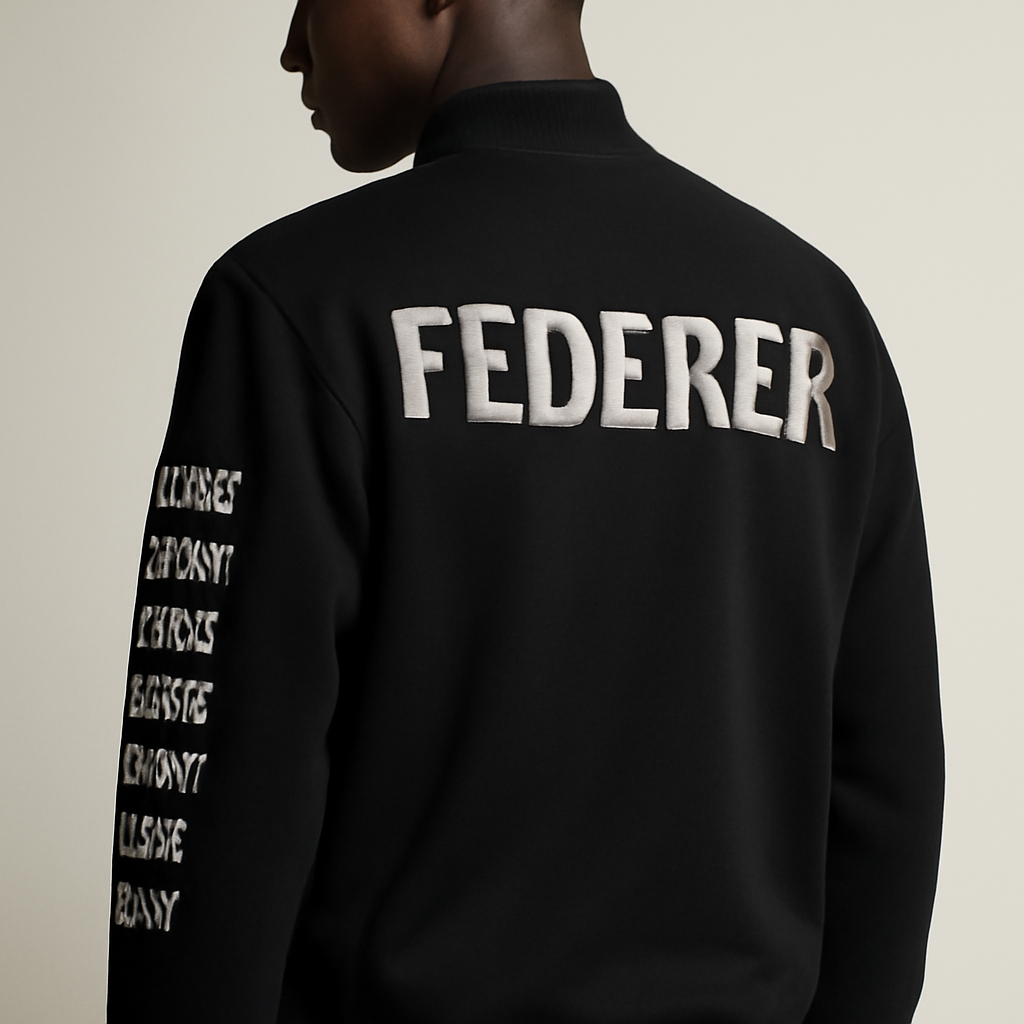
Center Court at Wimbledon and Arthur Ashe Stadium in Queens are an ocean and five decades apart, but they've each hosted the same maneuver more than once: a player treating the required uniform as room enough to say something the scoreboard can't.
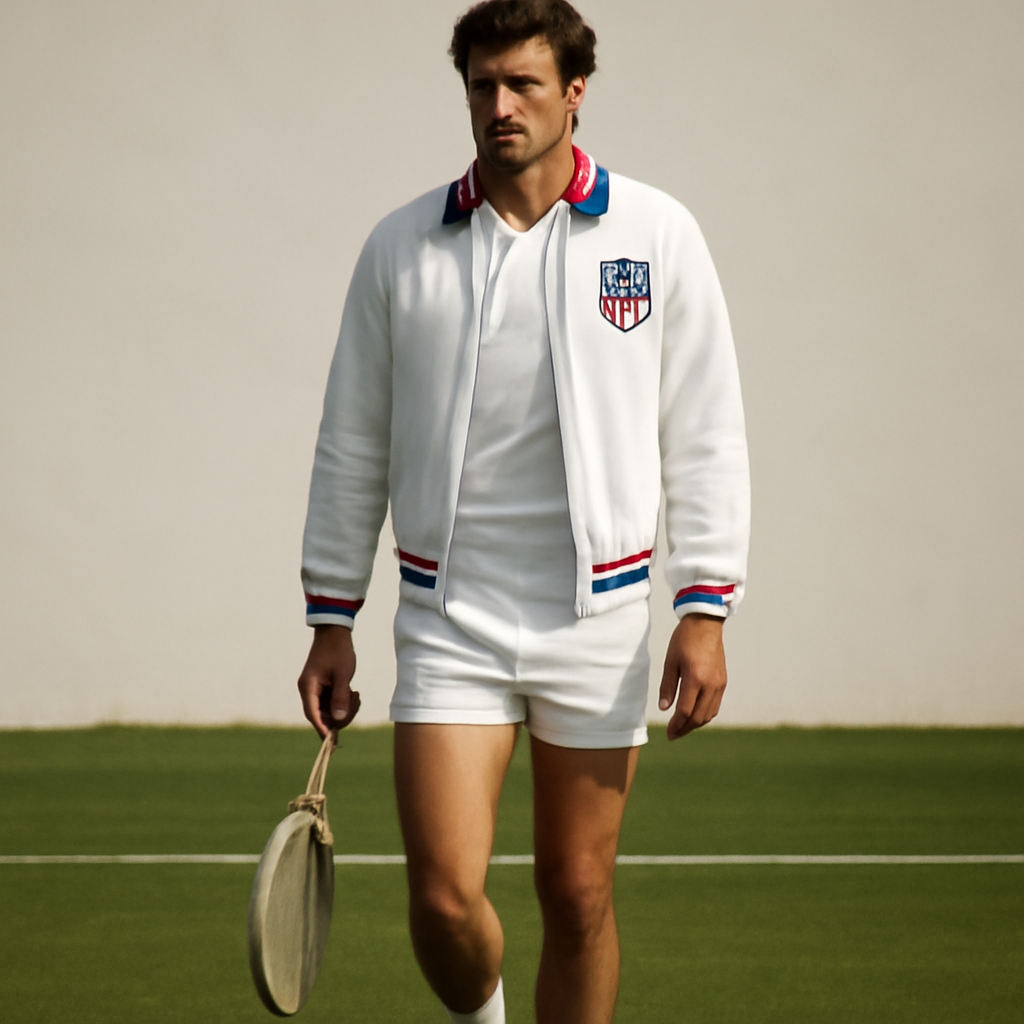
In 1975, Arthur Ashe — a thirty-one-year-old from Richmond, Virginia, ranked well past his supposed prime and playing what's still called one of the biggest upsets in the tournament's history — beat Jimmy Connors to become the first Black man to win a Wimbledon singles title, in a match with real tension underneath it: Ashe, as president of the players' association, had been on the opposite side of a lawsuit Connors filed against that same association only months earlier. Ashe wore red, white, and blue wristbands through all five sets, and kept on his U.S. Davis Cup warm-up jacket both walking onto Centre Court and again at the trophy presentation — a jacket built for practice sessions and team functions, repurposed as the plainest possible statement of which side he was playing for.
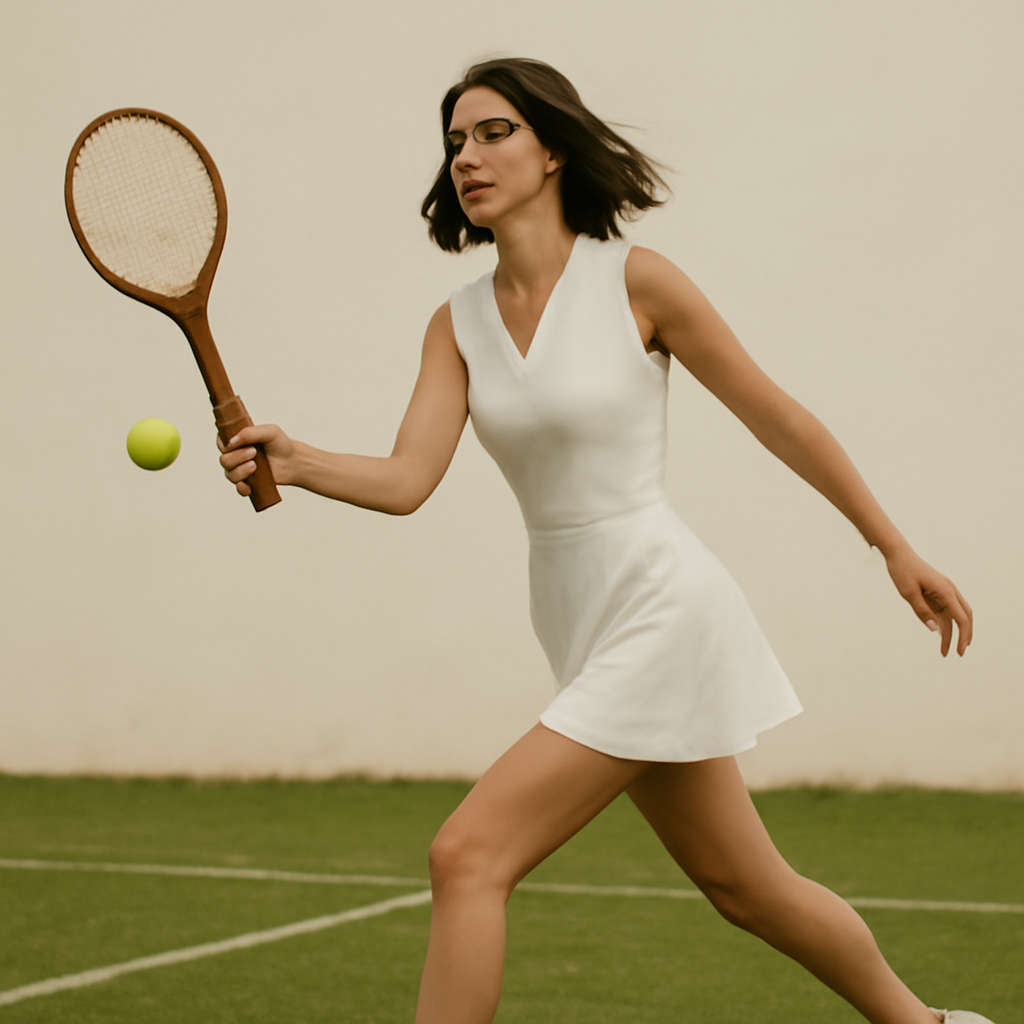
A few years into that same decade, Chris Evert — who'd grown up hitting balls at a public park in Fort Lauderdale, Florida, where her father taught tennis, and turned professional as a teenager not long after — had her own diamond bracelet snap off her wrist mid-rally, scattering stones across the court and stopping play while officials searched the grass. The bracelet itself had no special design pedigree — what mattered was that it happened to her, in public, in a match anyone could watch. The piece of jewelry picked up a name that day it has never shaken since: the tennis bracelet, still sold under that name in stores that have never sold a racquet.
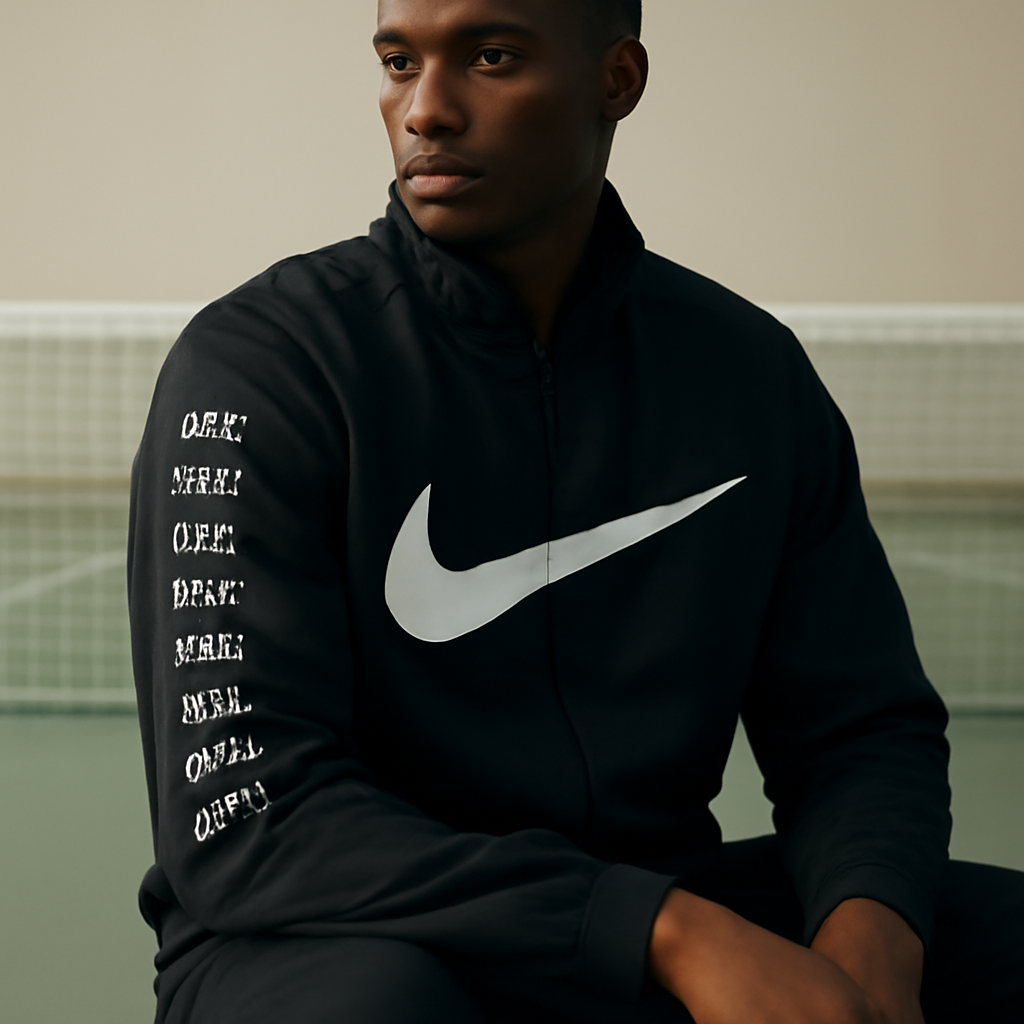
Fifty years on, at this year's Open, Serena Williams and her sister Venus — both trained by their father on public courts in Compton, California, long before either had a sponsor — reunited for a doubles match nobody expected to dominate the tournament's style coverage. Serena walked out in a custom Nike jacket with the years of her US Open titles — singles, doubles, and mixed doubles, spanning 1998 to 2014 — embroidered directly onto the sleeves, WILLIAMS across the back in letters sized for the upper deck, an oversized swoosh on front doing the job a team crest usually does. It is, in effect, a jacket built out of a résumé. Serena and Venus lost the match. The record on the sleeve didn't need the final score to still be true.
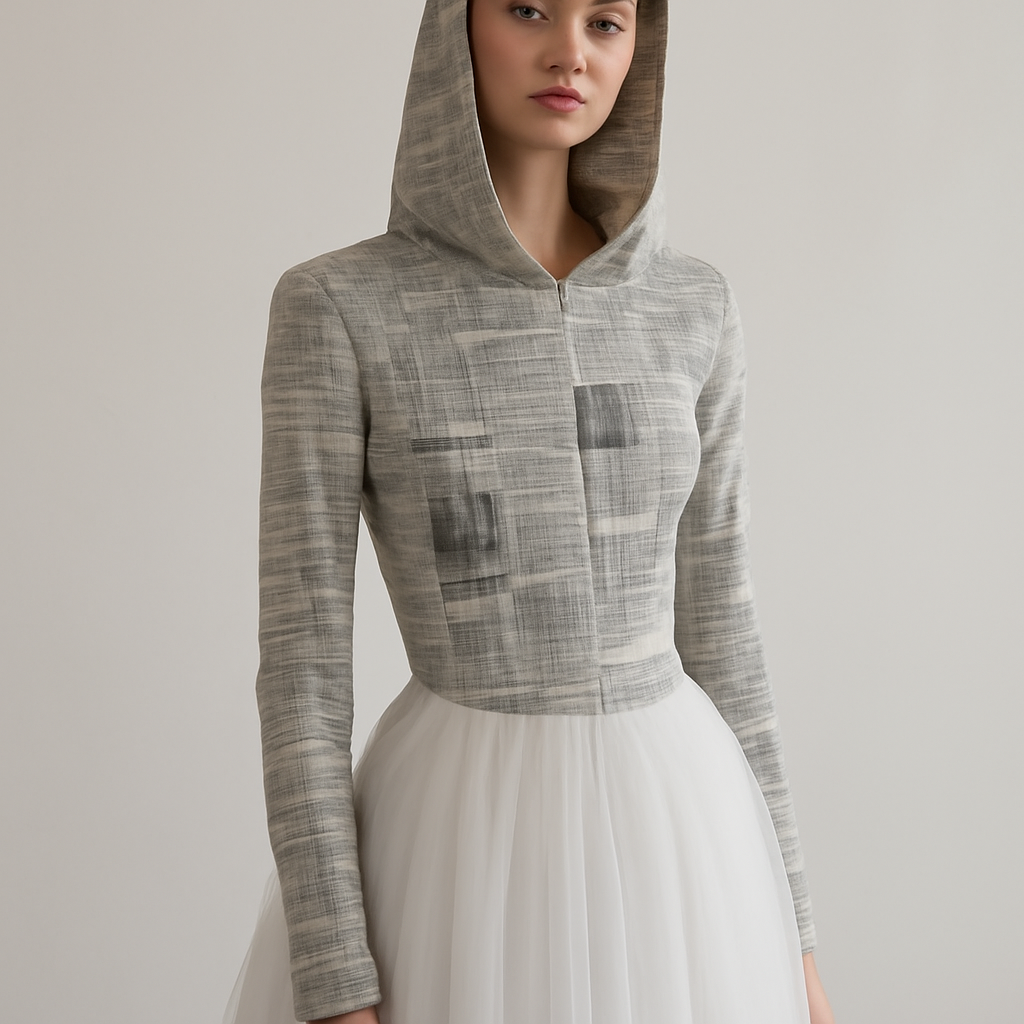
Naomi Osaka — born in Osaka, Japan, to a Haitian father and Japanese mother, and raised from age three in New York and then Florida — made an entrance a few days earlier that pointed outward instead of back at herself. Her custom gown, by Who Decides War and styled by Law Roach, paired a gray French-terry hooded bodice printed with newspaper headlines and photographs against a long white tulle skirt — a combination its designers have said was built around Allen Iverson's own refusal to dress like an athlete was supposed to, with a second, quieter reference folded underneath: the shape recalls the windbreaker-dresses Virgil Abloh showed for Off-White five years before his death. Two men who never played a match in front of her, worked into an outfit she wore before she'd picked up a racquet that day.
None of these four ever shared a tailor, a decade, or — in Osaka's case — even a sport with the people they were quoting. What they kept landing on, independently, is that a tournament's dress code leaves just enough room to smuggle in an entire other subject — a country, an accident, a career, a designer who came before — provided the clothing is left to carry it instead of anyone saying it out loud.



